- Excursions and Tours
- Mar 16, 2026
Whale Watching in Samana: An Unforgettable Experience
Whale watching in Samana is a must-do activity for nature lovers and adventure seekers. Every year, thousands of humpback whales migrate to the warm waters of the Samana Bay to breed and give birth. This spectacular event offers a unique opportunity to observe these magnificent creatures up close. Here’s everything you need to know about whale watching in Samana, including the best times to visit, tour options, and what to expect.
Seasonality and Best Times to Visit
The best time to go whale watching in Samana is during the whale migration season, which typically runs from mid-January to late March. During this period, the Samana Bay becomes a hotspot for humpback whales, making it one of the best places in the world to observe them. The peak season is from late January to early March, when the chances of seeing whales are highest.
Why Samana is Ideal for Whale Watching
Samana Bay is a prime location for whale watching due to its warm, sheltered waters, which provide an ideal environment for humpback whales to mate and give birth. The bay’s calm and shallow waters make it a safe haven for mother whales and their calves. The region’s commitment to sustainable tourism ensures that whale watching activities are conducted responsibly, minimizing the impact on these magnificent creatures and their habitat.
What to Expect on a Whale Watching Tour
Exciting Encounters
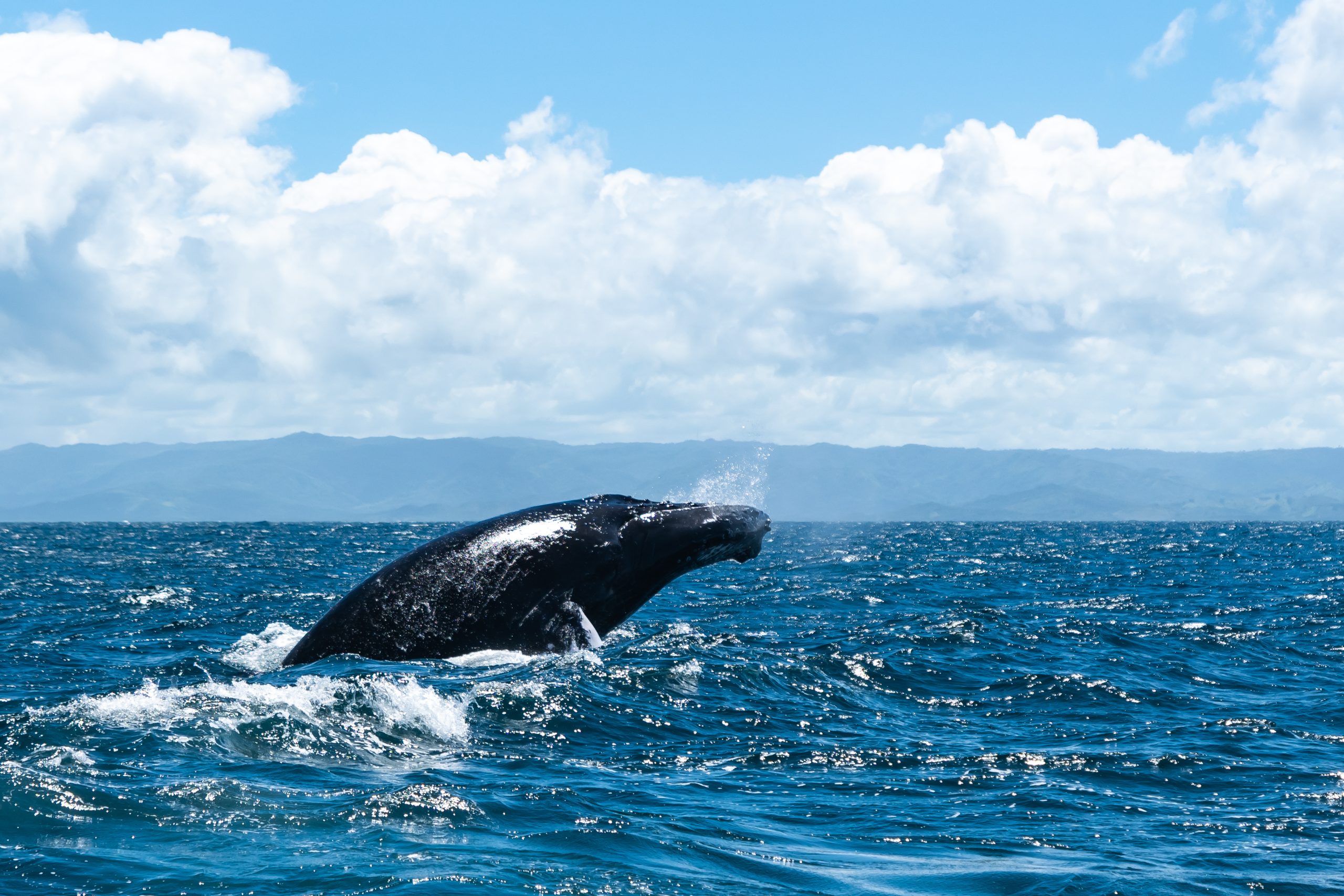
On a typical whale watching tour in Samana, you can expect to see humpback whales breaching, tail-slapping, and performing other acrobatic displays. These behaviors are part of the whales’ mating rituals and communication. Seeing a 40-ton whale leap out of the water is a truly awe-inspiring experience.
Educational Experience
Most whale watching tours in Samana are led by knowledgeable guides who provide fascinating insights into the behavior, biology, and conservation of humpback whales. These experts can answer your questions and help you understand the significance of the whales’ actions. Many tours also include hydrophones, allowing you to listen to the haunting songs of the male humpbacks.
Comfortable Boats
Tour operators in Samana offer a variety of boat options, from large catamarans to smaller, more intimate vessels. These boats are equipped with amenities to ensure a comfortable and enjoyable experience. Some tours even offer refreshments and snacks on board.
Respectful Viewing
Responsible whale watching is a priority in Samana. Tour operators follow strict guidelines to ensure that the whales are not disturbed. Boats maintain a safe distance, and engines are kept at low speeds to minimize noise and disruption. This approach ensures that you can enjoy the spectacle without impacting the whales’ natural behavior.
Choosing the Right Tour
Tour Operators
There are several reputable tour operators in Samana offering whale watching excursions. Some of the most popular ones include Whale Samana, run by the renowned marine biologist Kim Beddall, and Moto Marina Tours. When choosing a tour, consider the operator’s reputation, the type of boats used, and the expertise of the guides.
Tour Options
Whale watching tours in Samana typically last between 3 to 4 hours. Morning tours are often recommended as the sea conditions are usually calmer. Some operators offer combined tours that include whale watching and visits to nearby attractions such as Cayo Levantado (Bacardi Island) or the El Limón Waterfall.
Preparing for Your Whale Watching Trip
What to Bring
- Camera: Capture the breathtaking moments with a good camera. Consider bringing a waterproof camera or a camera with a good zoom lens.
- Binoculars: Enhance your viewing experience with binoculars to see the whales up close.
- Sunscreen and Hat: Protect yourself from the sun with high SPF sunscreen and a wide-brimmed hat.
- Motion Sickness Medication: If you’re prone to seasickness, consider taking medication beforehand.
- Water and Snacks: Stay hydrated and bring some snacks for the trip, although many tours provide refreshments.
Clothing
Dress in layers, as the weather can change quickly. Bring a light jacket or sweater, as it can be cooler on the water. Non-slip shoes are also recommended to ensure safety on the boat.
Beyond Whale Watching: Exploring Samana
Beaches and Nature
While whale watching is a highlight, Samana offers many other attractions. Visit the pristine beaches such as Playa Rincón and Playa Bonita, or explore the lush tropical forests and waterfalls like El Limón. The combination of stunning landscapes and diverse activities makes Samana a perfect destination for nature enthusiasts.
Local Culture
Immerse yourself in the local culture by visiting the town of Samana. Enjoy the vibrant markets, local cuisine, and friendly atmosphere. The rich cultural heritage of Samana, influenced by Spanish, African, and Taíno traditions, adds to the charm of the region.
Whale Watching in Samana: An Unforgettable Experience
Recent Posts
Blogs not found.
Categories

You may also like